Field method · changing light
Read twilight without chasing colour
A strong observation does not depend on a spectacular sky. It depends on noticing how contrast, colour and usable light change across the same piece of ground.

Sunset is not the whole transition
Sunset is the moment the sun passes below the visible horizon. Twilight is the period before sunrise or after sunset when scattered sunlight still illuminates the sky. Astronomers divide it into civil, nautical and astronomical phases according to how far the sun is below the horizon. Those definitions are useful, but a field observer can begin more simply: track what remains readable on the ground.
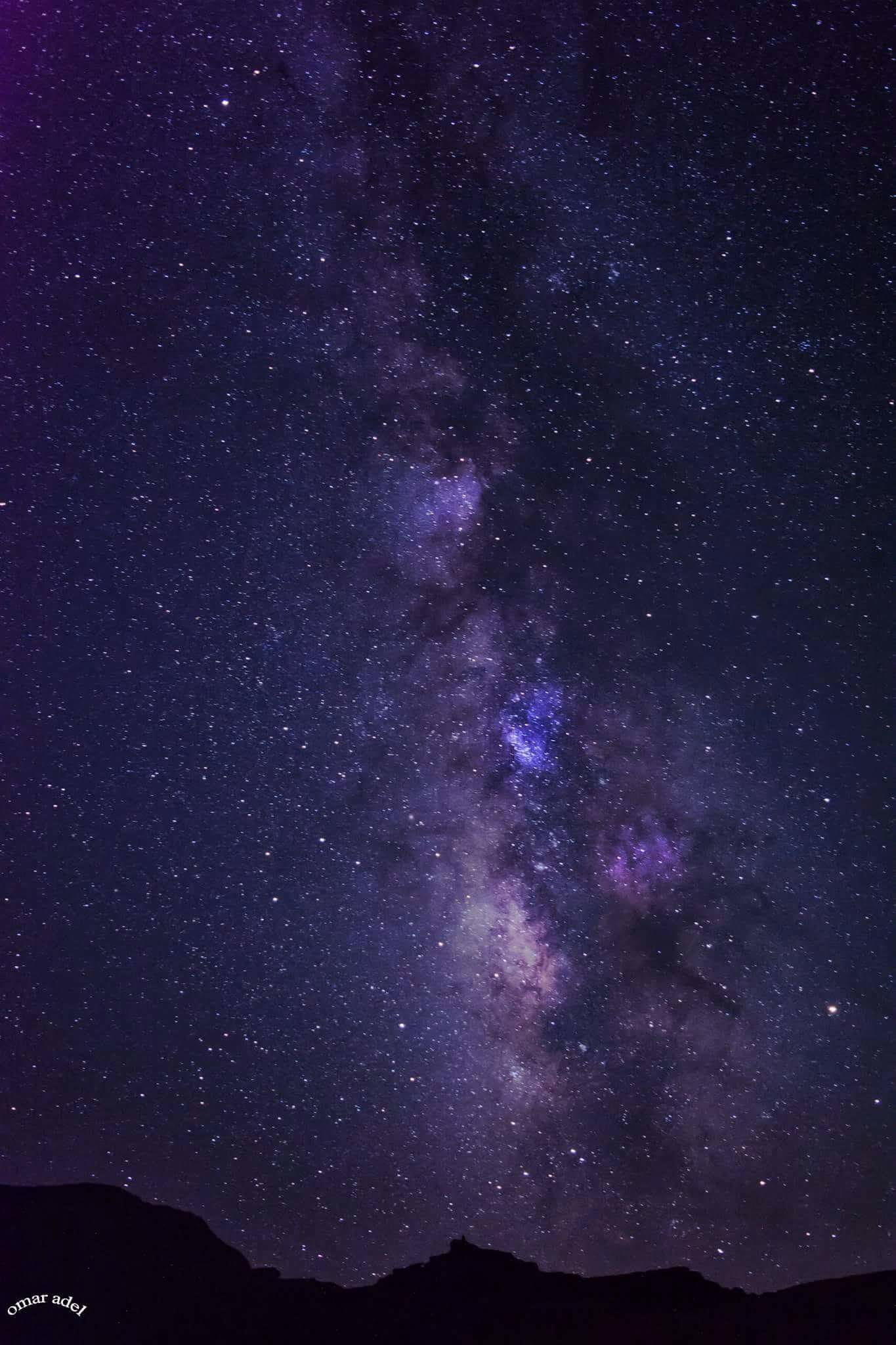
During early twilight, colours and paths may still be clear. Later, surface detail fades and silhouettes become dominant. Eventually, artificial light or the night sky controls the scene. The timing varies with latitude, date, atmosphere and the shape of the local horizon.
Choose one stable frame
Changing viewpoints makes changing light difficult to compare. Select a legitimate, safe position while daylight remains. Include one near object, one middle-distance edge and a portion of sky. A palm, ridge, boat or rock may serve as the fixed reference.
Every five or ten minutes, note three things: the colour of the brightest natural area, the darkest object that still holds surface detail and the first feature that becomes a pure silhouette. Exact colour vocabulary is less important than consistent comparison.
Blue hour is not a colour guarantee
Photographers often use “blue hour” for the cool period around twilight when indirect sky light is visually prominent. The result may be blue, but dust, cloud, city glow and camera settings can shift it. A forecast can estimate solar position; it cannot promise a particular image.
Use weather and astronomy information as preparation, not a contract. A hazy evening may reduce stars but create a strong warm horizon. Thin cloud may flatten the light or reflect colour. A clear sky may produce a quieter gradient. The observation remains valid because the question is what happened, not whether the sky performed.
One-frame twilight log
- Record the place, date and approximate start time.
- Describe the near, middle and far layers while colour remains.
- At regular intervals, note detail loss, silhouette and the brightest natural surface.
- Stop when the pre-planned return condition is reached.
Protect your adaptation
As light decreases, pupils widen and vision relies more on low-light sensitivity. A bright screen makes the next dark interval harder to read. Lower display brightness in advance, use a warm setting if practical and look only when needed. Necessary safety lighting always comes first, but it can be kept directed and controlled.
Do not test adaptation by moving into uncertain terrain. Observation should happen from a secure point whose edges and return route were established earlier. If the ground, group or conditions no longer feel clear, end the exercise.
Finish with a sentence, not a score
A useful final note is specific: “the water remained luminous ten minutes after the bank lost detail,” or “the pale west face of the rock outlasted the ground around it.” Avoid rating the sunset. A modest transition observed precisely teaches more than a dramatic one reduced to “perfect.”
Over several landscapes, the notes begin to show relationships between material and light. Water holds sky, pale stone reflects it, mountains separate into atmospheric planes and palms provide a clear silhouette. That pattern is the real reward of learning to read twilight.