Field method · access and return
Plan after-dark observation with care
The responsible night plan is designed backwards from the return. It keeps movement small, verifies access and refuses the idea that darkness makes boundaries disappear.
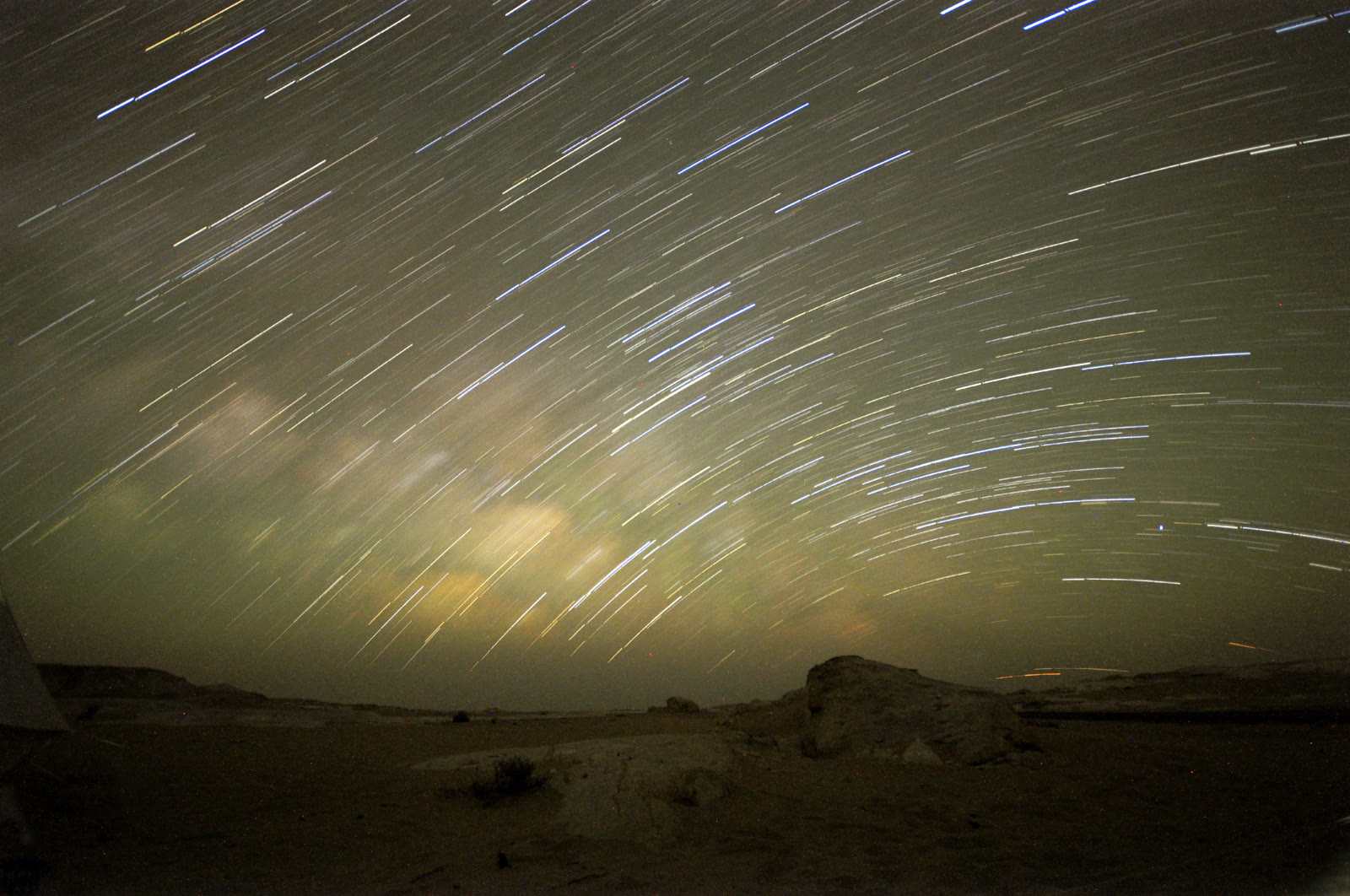

Access is the first observation
Before weather, equipment or camera settings, establish whether the place can legitimately and responsibly be used after dark. Protected areas, mountain routes, waterfronts, archaeological zones, cultivated land and private property may all have different requirements. Old travel reports and visible tracks are not permission.
Use the current responsible authority and reliable experienced local guidance. Ask precise questions: Is access allowed at that time? Is a guide, permit or registered operator required? Where is the legitimate stopping point? What condition would cancel the plan? If the answers are unclear, choose a clearly public and manageable alternative.
Arrive in useful light
Reach the observation point early enough to understand surfaces, drop-offs, water edges, nearby activity and the route back. Identify at least two fixed landmarks that do not depend on a phone signal. A navigation app can support orientation, but it should not transform unknown ground into acceptable ground.
Once the position is chosen, reduce movement. Night observation is most effective from a fixed frame anyway. The sky and light change without requiring the observer to search continuously for a better angle.
Set a light protocol
Every person should know which light is available and when it will be used. Safety tasks may require bright illumination; use it without hesitation when necessary. At other times, keep light low, warm where practical and pointed toward the ground. Do not direct beams at people, animals, vehicles, homes or distant landscapes.
Screen brightness also matters. Prepare settings and essential information before adaptation begins. Repeatedly opening a bright display makes the surrounding darkness harder to read and distracts from changes in footing or group position.
The conservative night card
- Authority: who confirms that access is current and legitimate?
- Anchor: where will observation remain fixed?
- Light: what is available for safety and how is it controlled?
- Return: what time, condition or energy level ends the session?
- Alternative: what clearly manageable option replaces a doubtful plan?
Keep the group explicit
Even a small group needs clear expectations. Decide who is responsible for the overall plan, how separation is avoided and what signal ends the observation. Do not assume silence means everyone is comfortable. Cold, fatigue, anxiety and uneven ground affect people differently.
The best image is never a reason to pressure someone into continuing. If current local guidance, a responsible operator, weather, authorities or any participant calls for an end, the plan ends.
Return before attention is spent
Dark adaptation can make a place feel increasingly familiar at the same time that fatigue makes judgement less reliable. Preserve energy and concentration for the return. Pack equipment while still comfortable, confirm that nothing is left behind and use necessary light for movement.
This framework does not make remote night travel safe. It is a filter that removes avoidable uncertainty and keeps the visual ambition modest. Some of Egypt's strongest afterlight observations can happen from a known terrace, a legitimate river edge or a fixed desert stop chosen by current local expertise. Darkness becomes more meaningful when the plan respects what it cannot see.